
Doctors treat the diagnosis.
Nobody treats your family.
The Cancer Iceberg is a podcast about the 90% of pediatric cancer that happens outside the hospital — the financial wreckage, the strain on siblings, the relationships that go quiet, and the questions nobody prepares you for. We're building the resources that should exist but don't.
WELCOME
Welcome to the Cancer Iceberg
We're not here to talk about treatment plans. We're here to talk about everything the treatment plan doesn't cover — the conversations families have at 1am, the things siblings never say, the financial decisions nobody warned you about. Every episode is a one-on-one investigation with an expert, a caregiver, or a family that's been through it and came out knowing things they wish someone had told them on day one.

EPISODES
What Lies Beneath the Surface
The hospital gives you a binder for the clinical side. There is no binder for the rest of it. That's what we're making.
Expert guidance. Real stories. Actionable insights.
Season 1
Family Dynamics
Cancer doesn't just happen to the patient. It moves into the house. It rearranges who does what, who holds what, and who breaks first. This season is about what happens at home — marriages under weight they were never built for, siblings learning to make themselves invisible, single parents carrying double loads, and the people who show up when the official support doesn't.
EPISODES:
Marriage Under Pressure, Siblings, Single Parenting, Co-Parenting.
Season 2
Mental Health
The treatment ends. The fear doesn't. This season lives outside of clinical pathology and inside what it actually feels like — the hypervigilance, the guilt, the exhaustion that doesn't lift, the grief for a version of your life that isn't coming back. These conversations are about building a plan for what you actually need, not what you think you're supposed to need.
EPISODES:
Caregiver Burnout, PTSD, Coping Strategies, Grief.
Season 3
Finances & Future
Bills don't pause for cancer. Neither does rent, or the car payment, or the fact that one of you just stopped working. This season is about the financial reality nobody talks about honestly — the compounding costs, the debt, the way trauma rewires how you make decisions about money. Not spreadsheet advice. Real-life advice.
EPISODES:
Trauma-Informed Finances, Hidden Costs, Navigating Debt.
JOIN OUR WORK
Fund the Research.
Change the Journey.
Every episode is built on months of interviews, expert consultations, and research. That work costs money. We don't run ads. We don't have a corporate sponsor. The entire engine runs on people who decided this work matters enough to fund it.
Join Us in the Work
100% of your contribution pays for research, expert consultations, and production. There is no other revenue. Your money becomes the next episode, the next resource, the next answer a family didn't have yesterday.
$10
per month
The Family Toolbox: Full access to every resource we've found — show notes, expert insights, and tactical tools from every episode. Searchable. Growing every month.
$20
per month
You’ll get The Family Toolbox, plus…
The Monthly Brief: A deep-dive synthesis of the patterns and systemic problems we're finding in our research — the stuff we can't fit in an episode.
$50
per month
You’ll get everything, plus…
Quarterly Roundtables: A seat in a live, small-group session with our team and guest experts. You help us figure out where to look next.
Help Us Go Further
We're looking for partners who want to underwrite a full season of research. If you're an organization that believes cancer families deserve better and you want to help fund the work at scale, Contact Us.
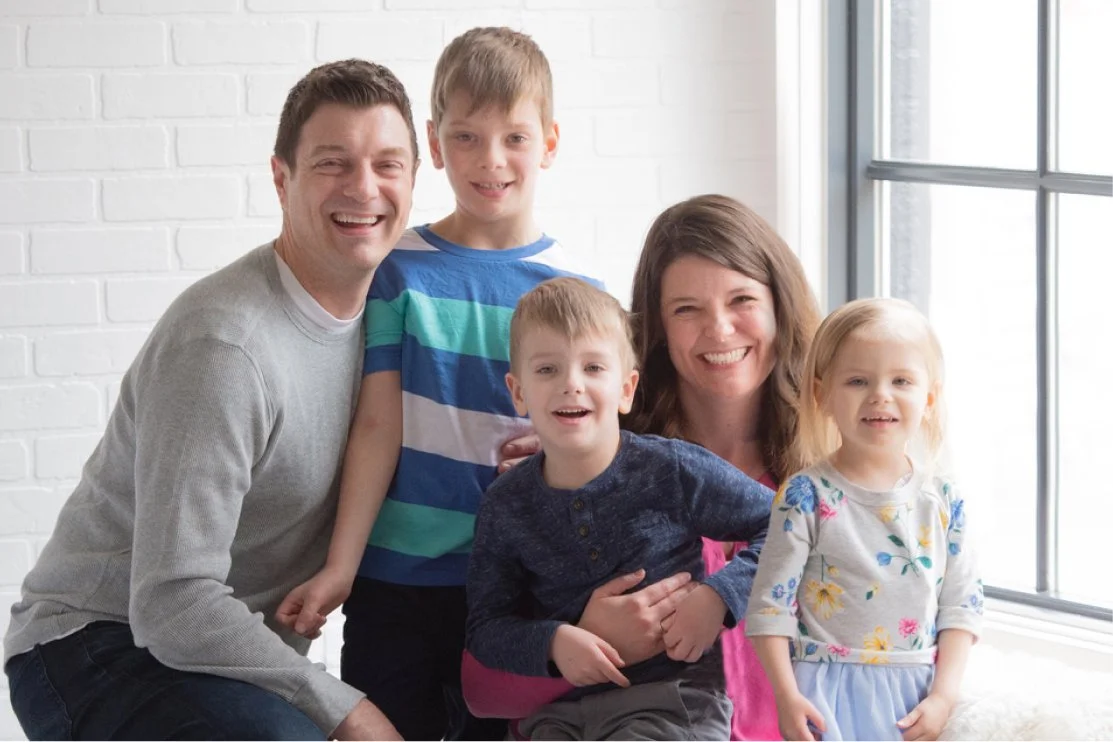
UX for Good founder Jason Ulaszek (on the left) is an experience designer and also the father of a pediatric cancer patient.
ABOUT
The Diagnosis Changes Everything
When your child gets cancer, the hospital takes over the medical part. They're good at it. But the medical part isn't the only crisis.
Suddenly you're navigating a marriage under pressure it was never designed for, siblings who are learning that their needs come second, mental health emergencies that don't announce themselves, and a financial reality that compounds every single week. The binder they hand you covers protocols and drug interactions. It does not cover any of this.
The help that exists is scattered, incomplete, and hard to find when you're already drowning. We're here to fix that.
The 10% You See
The 90% You Don't
The scans, the treatments, the appointments — that's the part above the waterline. It's visible. It's managed. Below it is everything else:
Emotional trauma and caregiver burnout that outlasts the treatment by years
Financial strain that compounds with every missed paycheck
Relationships buckling under pressure nobody trained them for
Siblings, marriages, careers, identities — all reshaping in real time with no guidance
"The medical team saved our child's life. But no one prepared us for how to save our marriage, our finances, or our other kids' sense of normalcy."
— Parent of a pediatric cancer survivor
THE HOSTS
We've been there. And we're building what we wish we'd had.
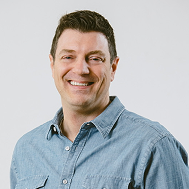
Jason Ulaszek
Co-Host & Co-Founder, UX for Good
My daughter was diagnosed with cancer at two and a half. Nothing prepares you for it. She's healthy now, but even years later, our family still carries the weight of that journey. I learned the hard way that thousands of families like mine are out there, navigating the hardest experience of their lives with almost no guidance for the 90% that happens outside the hospital.
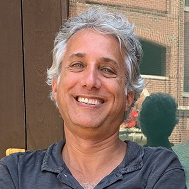
Jeff Leitner
Co-Host & Co-Founder, UX for Good
Jason and I have spent over 15 years tackling complex problems through design at UX for Good. We've spent years talking to cancer families about what they actually go through. Now we're applying everything we know to the pediatric cancer experience — bringing in the experts, doing the research, and building the resources that families deserve and don't have.
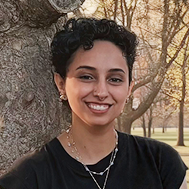
Cas Leitner
Researcher & Producer
I come from an ethnographic and UX research background, and I've spent years working inside the systems that are supposed to support people in crisis. The oncology care model is built around the patient, and it needs to be. But the family is in crisis too, and the system hasn't caught up. I'm here to help close that gap — finding the experts, doing the deep-dive research, and making sure what we produce is grounded in what families actually experience.
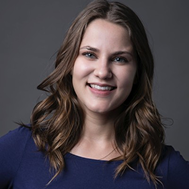
Jen Wiebers
Wrangler
This kind of work falls apart without someone holding it together. I've spent my career managing complex projects with a lot of moving parts — timelines, teams, logistics, production. For The Cancer Iceberg, I keep the trains running so Jason, Jeff, and Cas can focus on the research and the conversations that matter.
If audacious were a measure, that'd be us.
The Cancer Iceberg is a UX for Good project. Since 2011, Jason and Jeff have partnered with The GRAMMY Foundation, the Dalai Lama Center for Peace and Education, the Kigali Genocide Memorial in Rwanda, and the Clinton Global Initiative. The Cancer Iceberg grew out of Yes We Cancer and is the latest effort to point the best thinking and the best design at people who need it.
Listen on your favorite platform
Subscribe on your favorite platform so you never miss an episode. Leave a review to help other families find us.